
Epstein File: ‘The public has a right to know what the hell is going on’
Build Your Website in Minutes with One-Click Import – No Coding Hassle!
By
Judge Emmet Sullivan of the DC District Court has demanded answers from the Justice Department as to why they haven’t released some records from the investigations into the late sex offender. On Thursday, the judge warned the department that the answers it has given so far, including in the courtroom Thursday, weren’t enough and invoked an infamous botched criminal trial of a sitting US senator.
“The public has a right to know what the hell is going on in this case. The victims have a right to know. The court has a right to know,” Sullivan said at the hearing, coolly pressing a Justice Department lawyer on whether he could provide any more answers. “The law is still in full force and effect. The court is just ensuring compliance.”
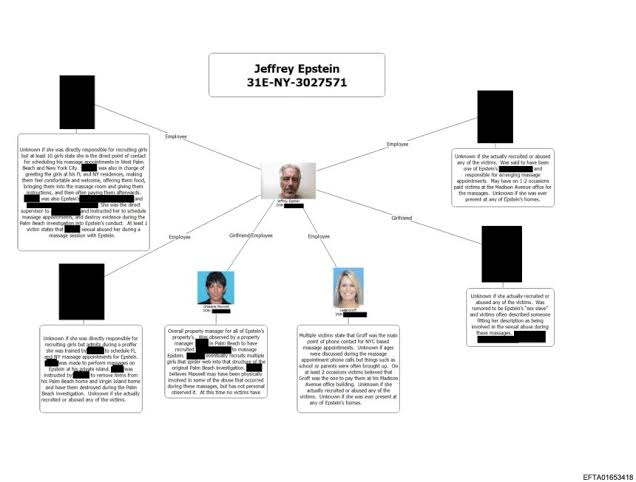
The case, filed by journalist Katie Phang, seeks to force the release of some FBI documents related to Epstein and to lift some redactions of names of people emailing him. Sullivan questioned why handwritten notes FBI agents took during some witness interviews years ago aren’t part of the millions of pages the Justice Department previously released.
Sullivan also took issue with the Justice Department not releasing documents related to Epstein that are in written in foreign languages, and for not saying when it plans to publish explanations for redactions it made in the Epstein files in the Federal Register, which is required by Congress.
Sullivan had previously ordered the Justice Department to explain to him why it hasn’t released some Epstein records and describe why it couldn’t say more.
“I have nothing else to say,” DOJ lawyer Andrew Block told Sullivan on Thursday.
A Justice Department spokesperson told CNN in a statement Friday, “The Department remains committed to protecting the privacy of victims and continues to welcome engagement from victims and their counsel. As demonstrated to the court, many emails that have drawn public scrutiny and remain redacted were sent by women who identify as victims. The Plaintiff in this case seeks to unmask those victim names, but doing so would violate a binding court order in SDNY.”
The hearing took an unusual turn when Sullivan gave the Justice Department lawyers a history lesson on one of the darkest episodes in their agency’s history – in a case he presided over nearly two decades ago.